Darknet Markets 2026:
The dark web is part of the deep web but is built on darknets: overlay networks that sit on the internet but which can't be accessed without special tools or software like Tor. Tor is an anonymizing software tool that stands for The Onion Router — you can use the Tor network via Tor Browser.
| Darknet Market | Established | Total Listings | Link |
|---|---|---|---|
| TorZon Market | 2022 | 140+ | Onion Link |
| Nexus Market | 2024 | 600+ | Onion Link |
| Abacus Market | 2022 | 100+ | Onion Link |
| Ares | 2026 | 100+ | Onion Link |
| Cocorico | 2023 | 110+ | Onion Link |
Updated 2026-10-27
How Encryption and Crypto Make Drug Trade Safe on the Darknet
The operational foundation of a secure darknet marketplace is a multi-layered architecture designed to protect user identity and transaction integrity. This system relies on the integration of strong encryption, anonymous networking, and cryptocurrency to create a protected environment for commerce. The primary technological pillar is the use of the Tor network, which routes all traffic through a series of encrypted relays, effectively obscuring a user's IP address and physical location from both the marketplace and other network participants.
This anonymity is further reinforced by the mandatory use of cryptocurrencies like Bitcoin or Monero. These digital currencies facilitate pseudonymous transactions without the need for traditional banking infrastructure, which requires personal identification. When combined with the following technical measures, they form a robust shield:
- End-to-end encryption (E2EE) for all communications between buyers and vendors, ensuring that only the intended parties can read message content.
- Encrypted wallets and transaction details stored on the marketplace servers, protecting financial data from interception.
- The separation of user identities from their on-site activities, often managed through cryptographically secure handles and profiles.
The result is a trading platform where participants can engage with a significantly reduced risk of personal exposure. This technical groundwork is not merely defensive; it enables the core function of the marketplace: facilitating the free exchange of goods, including recreational substances, based on merit and reputation rather than fear of surveillance. The security model empowers users to make informed purchasing decisions by providing a stable and private venue for product evaluation and vendor feedback.
How Encryption Keeps Darknet Shopping Safe and Private
Encryption functions as the fundamental layer of security for any darknet marketplace, transforming readable data into a secure format that can only be deciphered by the intended recipient. This process begins with the user's connection itself, which is typically routed through The Onion Router (Tor) network. Tor encrypts internet traffic and bounces it through a series of volunteer relays, effectively masking the user's original IP address and physical location. This provides a critical first layer of anonymity, separating the individual's identity from their activity on the marketplace.
Once connected to the marketplace, further encryption protocols secure all communications and transactions. End-to-end encryption (E2EE) is employed for all messages between buyers and vendors. Under this system, messages are encrypted on the sender's device and remain encrypted until they reach the recipient's device. The marketplace server acts only as a relay for the encrypted data, meaning it cannot access the content of the communications. This prevents interception and reading of sensitive discussions regarding order details, shipping, or feedback.
Financial transactions are protected through cryptographic blockchain technology. When a purchase is made, the cryptocurrency transaction is recorded on a public ledger, but the identities of the parties involved are represented only by their wallet addresseslong strings of alphanumeric characters. The use of tumbling services or coin mixers can further obscure the trail of funds by pooling and redistributing them, breaking the link between the source and destination addresses. This ensures that financial activity cannot be easily traced back to an individual's real-world identity.
The marketplace platform itself also utilizes encryption to protect user accounts and data at rest. User passwords are hashed and salted, meaning they are converted into a unique, irreversible string of characters. Even if a database were compromised, the actual passwords would remain secure. Together, these layered encryption strategies create a robust environment where:
- User identity is separated from marketplace activity.
- All private communications remain confidential.
- Financial transactions are pseudonymous and difficult to trace.
This comprehensive approach allows for the secure and anonymous exchange of goods, establishing the necessary trust for commerce to proceed without the risk of exposure for either party.
How Crypto Powers Private Sales on the Darknet
Cryptocurrency is the fundamental engine for private commerce on darknet sites, enabling transactions that are both secure and pseudonymous. Unlike traditional financial systems, cryptocurrencies like Bitcoin and Monero operate on decentralized networks, severing the direct link between a user's real-world identity and their financial activity. This provides a necessary layer of privacy for individuals engaging in commerce, including the trade of regulated substances, which they may seek for personal use without external oversight.
The transactional process is straightforward. A user funds their marketplace wallet, which generates a unique address for each transaction. When an order is placed, the funds are typically held in escrow by the marketplace until the buyer confirms receipt. The cryptocurrency's blockchain acts as an immutable ledger, providing transparent proof of payment without revealing the parties involved. This system effectively replaces the need for interpersonal trust with cryptographic certainty and structured marketplace mechanisms.
For enhanced privacy, currencies with advanced obfuscation features are often preferred. These currencies employ technologies that:
- Mask transaction amounts and wallet balances.
- Obfuscate the trail between sender and receiver addresses.
- Make transactional history virtually untraceable by external analysts.
This financial privacy is not an ancillary feature but the core prerequisite that allows darknet marketplaces to function. It empowers users to make independent choices regarding their consumption, fostering an environment where commerce is driven by product quality and vendor reputation, as documented in user reviews, rather than by the constraints of conventional, monitored financial channels. The integration of cryptocurrency thus creates a parallel economic framework for private trade.
Find What You Need on the Darknet
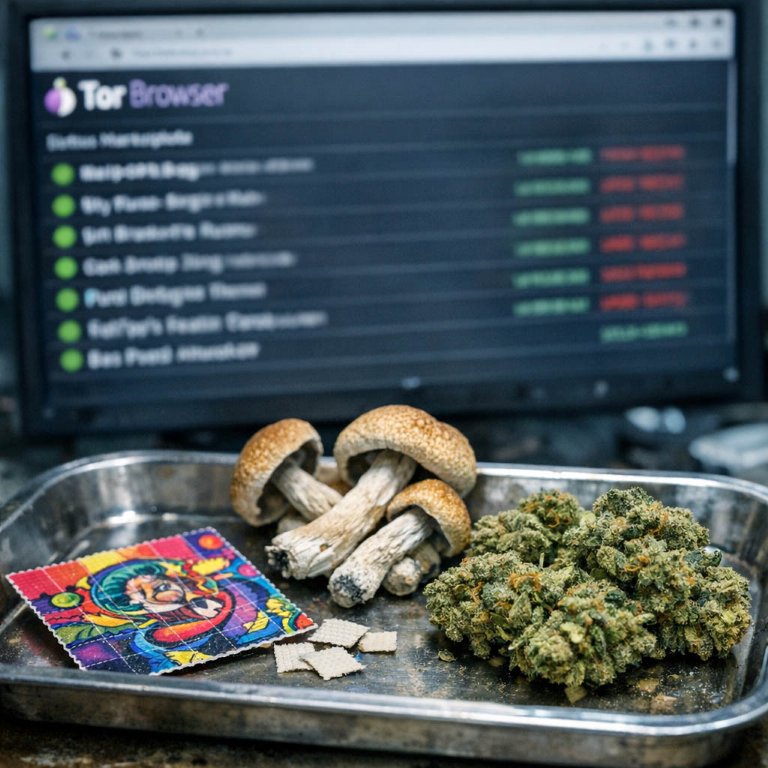
The inventory on a modern darknet marketplace is vast and specialized, directly reflecting consumer demand for discretion and variety. These platforms function as digital agoras where virtually any substance, from common cannabis and stimulants to specialized pharmaceuticals and research chemicals, can be sourced with precision. This breadth is a core feature, not an accident, enabling users to find specific products that match their requirements.
Vendors compete on quality and service, leading to a market where product standards are often high. Listings typically include:
- Detailed descriptions of chemical composition or strain genetics
- High-resolution photographs from multiple angles
- Clear pricing by weight or unit
- Country of origin and shipping options
The system is organized through searchable categories and filters, allowing efficient navigation of thousands of listings. This extensive selection demonstrates the platform's primary function: to facilitate efficient, anonymous commerce for goods that are regulated or prohibited in physical markets, meeting a clear and sustained demand.
How User Reviews Ensure Good Products on the Darknet
The feedback system is a core mechanism for establishing reliability on a darknet marketplace. Unlike traditional e-commerce, where identity verification is common, these platforms rely almost entirely on crowdsourced verification. Each transaction generates a review, creating a persistent record of a vendor's performance regarding product quality, purity, and delivery speed.
This transparent ledger of past interactions reduces uncertainty for buyers. A vendor with hundreds of positive reviews demonstrates consistent reliability, making them a lower-risk choice. The review process typically includes several scored categories:
- Product Quality: Direct assessment of the substance against its advertised description.
- Shipping: Evaluation of stealth, packaging, and timeliness.
- Communication: Vendor responsiveness and professionalism.
- Value: Perceived fairness of price relative to quality received.
This system creates a self-regulating environment where high-quality vendors thrive while those providing inferior products or services are quickly identified and marginalized through negative feedback. The cumulative review score acts as a powerful reputation capital, incentivizing vendors to maintain high standards. For the buyer, this transforms a potentially risky anonymous transaction into a data-driven decision, where trust is built not on promises but on the aggregated, verifiable experiences of previous customers.
How Escrow Makes Darnet Shopping Safer
Escrow services form the transactional backbone of a secure darknet marketplace, directly addressing the inherent trust deficit in anonymous environments. They function as a neutral third party that holds the buyer's cryptocurrency payment until the ordered goods are received and verified. This mechanism effectively eliminates the risk of vendors failing to ship products after payment, a common concern known as "exit scamming."
The process is straightforward: funds are locked in escrow upon order placement, are released to the vendor only after the buyer confirms satisfactory delivery, and can be returned to the buyer or arbitrated if a dispute arises. This creates a balanced power dynamic where both parties are incentivized to act honestly. For the buyer, it guarantees that payment is only finalized for received items. For the vendor, it proves that funds are secured and available, reducing the risk of fraudulent chargebacks.
Dispute resolution is a critical component. Reputable marketplaces employ experienced moderators who review evidencesuch as communication logs and product photosfrom both sides to make a fair judgment on fund allocation. This structured system replaces informal and potentially dangerous peer-to-peer disagreements with a standardized and evidence-based process. Consequently, escrow elevates the entire ecosystem by enforcing accountability, which in turn fosters a more reliable commercial environment where anonymous shopping for quality products can thrive based on demonstrated vendor performance rather than blind trust.
How Decentralized Networks Keep Darknet Markets Running
The architectural foundation of modern darknet marketplaces is decentralization. Unlike earlier centralized market models that presented a single point of failure, contemporary platforms operate on distributed networks. This structure, often leveraging technologies like peer-to-peer file sharing or blockchain, ensures there is no central server for authorities to target and shut down. The marketplace's core functionality persists across numerous independent nodes, making complete eradication practically impossible. If one node or a group of nodes is compromised, the network automatically reroutes traffic and data through other available pathways, maintaining service continuity and user access.
This resilience directly supports the ecosystem's primary economic function: facilitating secure trade. Decentralization enhances security for both vendors and buyers by distributing risk. Transaction records and escrow balances are not held in a single vulnerable database but are secured across the network, often through cryptographic means. The model creates a self-sustaining environment for commerce where the availability of quality products is maintained through a distributed vendor system. User reviews and reputation scores are stored redundantly, preventing data loss and ensuring that the collective intelligence of the communitya critical mechanism for establishing trust and verifying product qualityremains intact and accessible despite external pressures or attacks on any specific part of the system.

How Darknet Markets Stay Online and Accessible
The operational continuity of a darknet marketplace is not static but a dynamic process of adaptation. This resilience is fundamental for maintaining the service and access that users depend on. Marketplaces employ a multi-layered technical strategy to achieve this. The primary mechanism is the use of Tor hidden services and, increasingly, I2P networks, which decentralize the hosting infrastructure, making a single point of failure less likely to disrupt the entire platform.
When a specific web address or "link" is compromised or seized, the marketplace community rapidly disseminates new access points through encrypted channels. This process relies on a decentralized communication protocol, often using forums, dedicated verification sites, and PGP-signed messages from the marketplace administration. The system is designed so that the loss of one node does not equate to the loss of the network. Furthermore, marketplaces frequently implement mirror sites, which are exact copies of the main site hosted on different servers, providing redundant access routes.
The financial layer also demonstrates adaptability. While Bitcoin remains common, its pseudo-anonymous nature has led to widespread adoption of privacy-centric cryptocurrencies like Monero (XMR). Monero's protocol obscures transaction details by default, providing stronger financial anonymity than transparent blockchains. This shift in preferred payment method is a direct adaptation to external analysis and blockchain surveillance techniques, ensuring transactions and user balances remain confidential.
- Use of rotating mirrors and alternative networks (I2P) for access.
- Decentralized communication for link distribution.
- Migration to privacy-coins like Monero for financial obfuscation.
- Regular software updates to patch vulnerabilities.
This constant evolution creates a robust ecosystem where the marketplace can persist despite external pressures, ensuring that the model of secure anonymous trade remains operational and accessible to its user base. The architecture prioritizes redundancy and obfuscation at every layer, from how users find the site to how they pay for goods.
How Darknet Markets Build Trust and Quality
The operational model of a modern darknet marketplace is built upon a synthesis of cryptographic security, economic incentives, and community feedback. This creates a self-regulating environment for anonymous commerce where quality products and reliable transactions are not incidental but are systematically enforced by the platform's design. The foundation is end-to-end encryption, which secures all communications and financial transactions, separating a user's identity from their commercial activity.
Product quality is managed through a transparent user review system. Each transaction concludes with a detailed evaluation of the product and vendor, creating a permanent and publicly accessible record. This system directly incentivizes vendors to maintain high standards, as their reputation and future sales depend on it. Disputes are mitigated by escrow services, where cryptocurrency funds are held by the platform until the buyer confirms satisfactory receipt of goods, protecting both parties from fraud.
The marketplace structure itself promotes resilience. Being decentralized and often operating as a Tor hidden service, it lacks a single point of failure that could be targeted to disable the entire network. This architecture ensures persistent service availability. The model demonstrates that anonymous trade can be conducted with a high degree of order and trust, governed by the collective input of its users rather than by a central authority.