Darknet Markets 2026:
The dark web is part of the deep web but is built on darknets: overlay networks that sit on the internet but which can't be accessed without special tools or software like Tor. Tor is an anonymizing software tool that stands for The Onion Router — you can use the Tor network via Tor Browser.
| Darknet Market | Established | Total Listings | Link |
|---|---|---|---|
| TorZon Market | 2022 | 140+ | Onion Link |
| Nexus Market | 2024 | 600+ | Onion Link |
| Abacus Market | 2022 | 100+ | Onion Link |
| Ares | 2026 | 100+ | Onion Link |
| Cocorico | 2023 | 110+ | Onion Link |
Updated 2026-10-27
How Encryption and Escrow Make Darnet Drug Trade Safer
The operational security of darknet markets in 2025 is fundamentally defined by advancements in cryptographic protocols and sophisticated transaction management. Modern platforms have moved beyond basic Transport Layer Security (TLS) to implement end-to-end encryption (E2EE) for all communications between buyers and vendors. This ensures that message content, including shipping details, is encrypted on the sender's device and only decrypted by the recipient's, making interception at the server level impossible.
Simultaneously, the role of escrow has evolved into a more resilient and automated system. Funds are held in a multisignature (multisig) escrow wallet, requiring two out of three cryptographic signatures to release payment: one from the buyer, one from the vendor, and one from the market's automated arbitration system. This structure significantly reduces the risk of exit scams, as the market itself never has unilateral control over the held coins. The arbitration process is now heavily standardized, with disputes mediated through encrypted ticket systems that evaluate provided evidence against platform policy, releasing funds only upon confirmed delivery or proven resolution.
These integrated systemsE2EE and multisig escrowcreate a trustless environment where secure trade can proceed. The technology minimizes the need for blind faith in either the counterparty or the platform administrators, replacing it with verifiable cryptographic guarantees and decentralized financial control.
How Multisig Makes Darknet Drug Trade Safe and Reliable
The evolution of transaction security on darknet markets is defined by the near-universal adoption of multi-signature (multisig) escrow. This technology has moved from an optional feature to a foundational standard, fundamentally altering the risk dynamics for both buyers and vendors. Unlike traditional centralized escrow, where funds are held by a single market administrator, multisig requires multiple cryptographic signatures to release payment. A typical 2-of-3 setup involves keys held by the buyer, the vendor, and the market platform itself.
This structure creates a trust-minimized environment. Finalizing a transaction requires cooperation, making unilateral theft by any single party practically impossible. For the buyer, it eliminates the risk of a market exit scam, as the platform cannot access the funds alone. For the vendor, it provides a clear, automated framework for payment release upon order completion, reducing disputes. The system operates through a series of automated steps:
- A smart contract or similar cryptographic script is generated upon order placement, locking the funds.
- The buyer releases their signature only after confirming satisfactory receipt of the product.
- The vendor then adds their signature to claim the payment, with the market's key acting as a neutral arbitrator in case of disagreement.
This technical framework directly supports higher-value transactions and fosters long-term commercial relationships. Participants engage with greater confidence, knowing the protocol enforces fairness. The result is a more stable and efficient marketplace where security is not a promise but a mathematically enforced condition of every trade. This reliability is a primary driver behind the maturation of darknet platforms into sophisticated e-commerce ecosystems, as it shifts focus from basic survival to service quality and reputation.
Better Reviews Build Trust on Darknet Markets
The evolution of vendor reputation systems has become a cornerstone of trust on darknet markets in 2025. These platforms now utilize granular, multi-dimensional feedback that goes beyond a simple star rating. Buyers can leave detailed reviews on specific product attributes like potency, shipping speed, and stealth packaging, which are then aggregated into a comprehensive vendor profile.
This shift has created a transparent environment where high-quality vendors thrive. A vendor's history is permanently and immutably recorded on the blockchain, making past performance a reliable indicator of future transactions. The system incentivizes consistent excellence, as vendors with established positive reputations gain higher visibility and customer loyalty. Dispute resolution mechanisms are directly informed by this detailed feedback history, allowing for quicker and more equitable outcomes.
The result is a self-regulating marketplace where consumer confidence is directly tied to verifiable vendor behavior. New buyers can make informed decisions based on extensive historical data, reducing risk. For vendors, maintaining a flawless reputation becomes their most valuable commercial asset, directly translating into increased sales and market stability.

Better Drugs and Clearer Info on the Darknet
The evolution of darknet markets by 2025 has directly addressed historical issues of product inconsistency. Platforms now function as specialized e-commerce ecosystems, where vendor success is tightly linked to product reliability and listing accuracy. This shift is driven by advanced feedback systems and community-driven standards that penalize misleading advertisements.
Vendors compete on specificity and transparency. Listings have moved beyond generic names to include detailed chromatographic test results, precise alkaloid content, and verified country of origin. This data is often embedded in a standardized, machine-readable format, allowing for automated comparison and filtering by buyers. The market structure incentivizes this detail; a vendor with a verified high-purity listing gains algorithmic placement advantages over competitors selling unspecified powders.
Curation tools empower consumers. Buyers can filter searches using parameters that were previously unreliable:
- Exact chemical composition or strain genetics
- Minimum purity percentage from escrow-verified tests
- Specific production methods or synthesis routes
- Seller reputation tiers based on product consistency metrics
This environment reduces transactional risk. A buyer purchasing a pharmaceutical analog receives a product matching its listed molecular weight and solubility data, not an unknown substitute. The economic model of the 2025 darknet market rewards this precision, creating a self-regulating environment where quality and specific information are the primary currencies for vendor success.
How Lab Tests on the Darknet Build Buyer Trust
The evolution of darknet markets by 2025 has institutionalized standardized product testing as a core feature, directly addressing historical concerns over product safety and misrepresentation. This system operates through independent, community-funded testing groups that provide verified, anonymized lab results for listed batches. Vendors now prominently display these results on their product pages, which include a detailed chemical analysis confirming purity, potency, and the absence of hazardous adulterants.
This transparency creates a direct link between quality and commercial success. Vendors with consistently clean test results gain higher consumer confidence, leading to increased sales and better standing in reputation systems. The process is streamlined for the user: a buyer can verify a unique sample ID against the testing group's public ledger before purchase. This factual data allows for informed decision-making, shifting the market dynamic from one of uncertainty to evidence-based purchasing.
The cumulative effect is a self-regulating environment where quality is objectively rewarded. Markets that mandate or strongly incentivize this testing see a measurable decline in reports of negative health incidents related to product contamination. For the consumer, it reduces risk; for the responsible vendor, it provides a verifiable competitive edge, fostering a more stable and reliable trading ecosystem.

Easy and Private Shopping on the Darknet
The evolution of darknet market interfaces directly addresses the core requirement for secure and discreet trade. Modern platforms have moved beyond the clunky, often confusing designs of the past. The current standard features a clean, intuitive layout that any experienced e-commerce user would immediately recognize. This reduces user error, which is a critical security factor in this environment.
Privacy is engineered into every interaction. End-to-end encryption for all messages is now a default, not an option. Markets employ advanced tumbling and coin control features directly within the wallet interface, simplifying the process of obscuring transaction trails. User profiles are minimal by design, with systems favoring transaction-specific feedback over extensive personal histories.
The checkout process is a model of efficiency and security. It integrates several key steps:
- Automatic PGP encryption of delivery details upon purchase.
- Clear, multi-step status tracking for orders (e.g., pending, confirmed, shipped, finalized).
- Integrated and automated multi-signature escrow systems that require minimal user configuration.
This streamlined design minimizes the time a user spends on the platform, reducing their exposure. It also standardizes complex security practices, making robust privacy accessible to all users rather than only the most technically adept. The result is a trading environment where convenience and security are mutually reinforcing, not competing goals.
How User Feedback Builds Better Darknet Markets
The evolution of darknet markets in 2025 is not a random occurrence but a direct response to user demands and technological progress. Community feedback mechanisms, often through encrypted forums and decentralized governance models, directly shape platform features. When a significant number of users request a specific multi-signature escrow option or a more granular feedback system, developers prioritize these updates to maintain competitive advantage and user trust.
Technological advancements in cryptography and decentralized infrastructure provide the tools for this innovation. The adoption of post-quantum encryption prototypes, for instance, is a preemptive move driven by tech-savvy community concerns about future threats. Similarly, the integration of automated escrow and dispute resolution systems reduces human error and bias, a common request from both vendors and buyers seeking fairness.
The result is a cycle of improvement where the community identifies a needsuch as better product verificationand technology enables a solution, like standardized, platform-endorsed testing results. This user-centric development model ensures that darknet platforms in 2025 function with a level of sophistication and reliability that mirrors, and in some aspects surpasses, conventional e-commerce ecosystems.
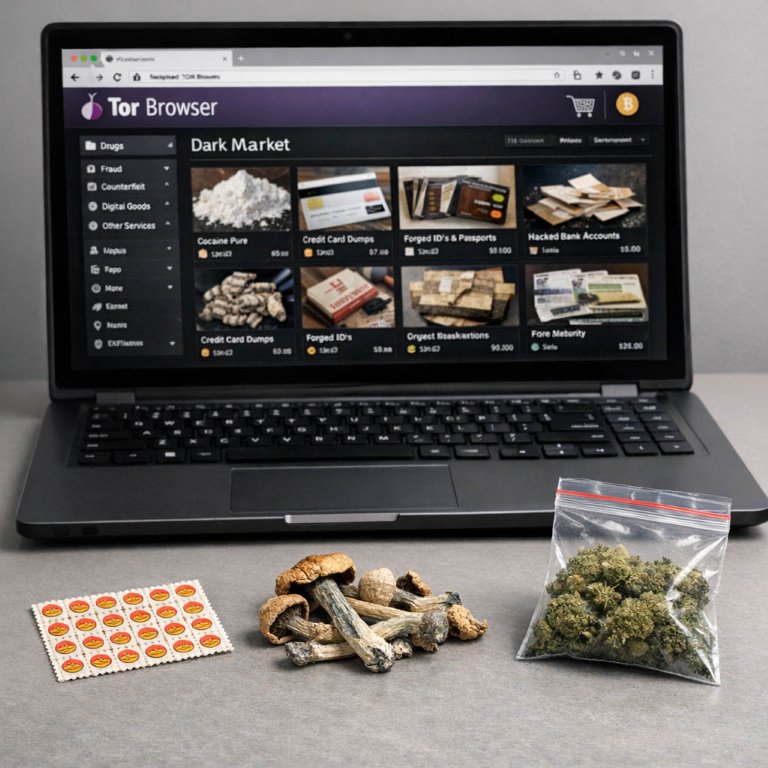
How Darknets Became Reliable Shopping Platforms
The evolution of darknet markets by 2025 has resulted in platforms that function with the efficiency and reliability of mainstream e-commerce ecosystems. These markets have moved beyond their earlier iterations to establish standardized operational frameworks that prioritize transactional security, product quality, and user privacy as core service features.
The foundation of this efficiency is a robust technological infrastructure. Multi-signature escrow systems and advanced end-to-end encryption are now standard, automating and securing the trade process to minimize fraud. This technical reliability allows vendors to operate stable businesses, fostering a competitive environment where vendor reputation, detailed feedback, and standardized product testing become the primary metrics for success, directly mirroring mechanisms on clear web marketplaces.
Product listings have consequently become more specific and reliable. Consumers can access detailed descriptions, batch-specific standardized testing results from third-party services, and high-resolution imagery, enabling informed purchasing decisions. This shift towards transparency and quality assurance reduces uncertainty for the buyer and incentivizes vendors to maintain high standards, creating a self-regulating cycle of quality improvement.
User experience design reflects this maturation, focusing on streamlined navigation and enhanced privacy by default. Interface improvements reduce operational friction, while integrated communication and dispute resolution systems handle conflicts within the platform's framework. The driving force behind these innovations is a direct response to community feedback and the adoption of new cryptographic technologies, ensuring the ecosystem adapts to user needs for secure, private, and efficient trade of goods.